
Our Approach
What to Expect
A gentle pause from the pace of everyday life. Our work is designed to help you slow down, reconnect, and return to yourself — through guided experiences, Resonant spaces, and time to simply be.
❋ Intentional Ceremony
Each session is held as a sonic ritual, shaped by intention, deep listening, and an honouring of lineages, as well as our own frequencies in interplay with the field of the room.
❋ Resonant Field
Working with sound, frequency, and the elements as our guides—including carefully recorded natural sounds—we gently reconnect with ourselves as part of nature, finding harmony through resonance.
❋ Spatial Sound
A quadraphonic field surrounds the listener, dissolving the usual front-facing experience of sound.
This 360° environment invites the mind to soften its focus, enhancing presence and drawing awareness inward. The listener is not observing sound, they are inside it.
❋ Ancient instruments & voice
Metals of many kinds, wood, strings, and the human voice form a living architecture of vibration—capable of guiding the body back into coherence, where sound is deeply remembered.
❋ Experienced Guidance
Rooted in over a decade of experience and devoted practice across diverse disciplines—from space holding and music to breath, yoga, and healing arts—we weave depth into intuitive presence.
❋ A Supportive Space
We hold a grounded and supportive space where you can arrive as you are, gently opening into sound, silence, and inner resonance.





Sound, Biology & the human system
Modern research is increasingly revealing how deeply sound and vibration interact with the body. From the nervous system to cellular communication, sonic stimulation can influence physiological processes in remarkable ways. Below are some key areas where science is beginning to illuminate the relationship between sound, health and human biology.
Sound & the Immune system
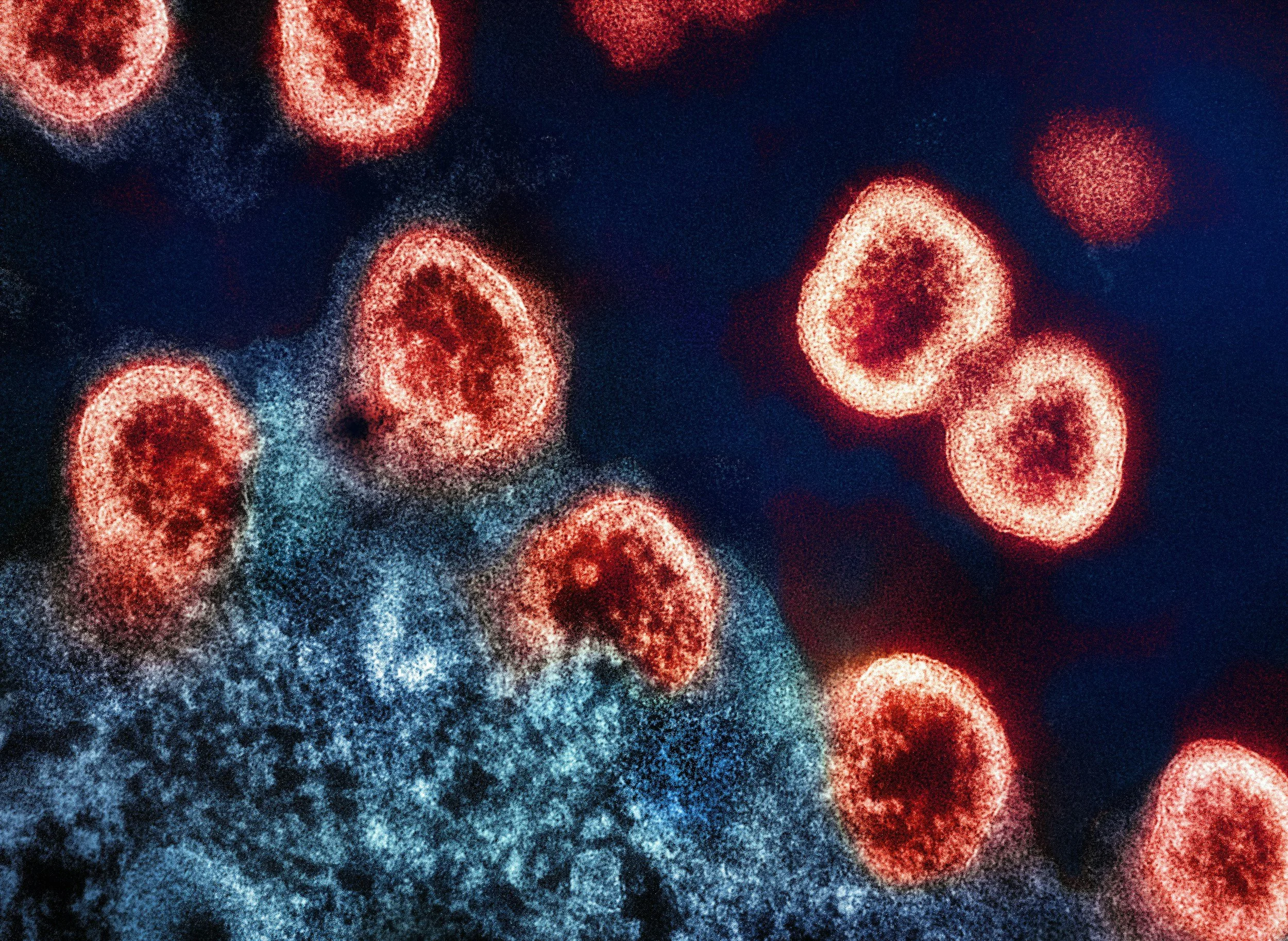
Music that we genuinely enjoy has been shown to positively influence the immune system. Experiences of joy and emotional engagement with music naturally stimulate the production of dopamine, a neurotransmitter associated with pleasure and reward. At the same time, levels of cortisol—the hormone linked to stress and the fight-or-flight response—tend to decrease.
Dopamine supports the production of leukocytes and other white blood cells, which play an essential role in immune defense. It also stimulates the pituitary gland to release beta-endorphins into the bloodstream. These compounds contribute to feelings of well-being while supporting physiological balance.
Sound & Nitric Oxide
Nitric oxide is a molecule produced naturally in the body and plays a key role in many physiological processes. Its effects include:
Helping regulate blood pressure
Supporting wound healing through cellular growth and angiogenesis
Modulating inflammation and tissue swelling
Assisting the immune system in fighting pathogens
Increasing cerebral blood flow and oxygen delivery to the brain
Preventing excessive platelet aggregation in the bloodstream
Supporting respiratory health, including conditions such as pulmonary hypertension and chronic airway disease
Research by John Stuart Reid investigating nitric oxide production in the nasal and sinus cavities revealed that humming dramatically increases nitric oxide levels during exhalation. Similar effects appear when toning sustained vowel sounds.
When the body is immersed in sound—whether through vocal resonance, instruments placed on the body, or resonant sound environments—vibrations propagate through the sinus cavities and lungs. These resonant effects are also believed to stimulate nitric oxide production.

Sound & the Vagus Nerve
The vagus nerve plays a central role in regulating the parasympathetic nervous system—the branch responsible for rest, recovery and physiological balance.
Stimulating this nerve can help the body shift from states of stress into states of calm and regulation.
The vagus nerve is also closely linked to the voice, which explains why vocal practices such as humming, chanting or toning can have a deeply calming effect on the nervous system.
Because this nerve also connects the brain with the gastrointestinal system, sonic stimulation may influence digestive processes as well. Research suggests that low-frequency vibrations—roughly between 5 and 40 Hz—may contribute to reducing chronic inflammation within the body.
Sound & Cells
Research by James Gimzewski has demonstrated that living cells emit measurable acoustic vibrations. Using highly sensitive instruments such as the Atomic Force Microscope, scientists have been able to detect tiny oscillations produced by cellular activity.
These discoveries suggest that cells are not silent structures but rather vibrational systems.
Some researchers now propose that sound may play an important role in cellular communication, potentially complementing electrical signaling. While nerve impulses travel relatively slowly, acoustic transmission through tissues can occur much more rapidly, raising interesting possibilities about how information moves throughout the body.

Sound & Blood oxygenation
Vibrations may also influence the way blood carries oxygen. Hemoglobin molecules are responsible for binding oxygen within the bloodstream, and sound appears capable of affecting this process.
The human heart itself generates low-frequency rhythmic pulses, which help regulate circulation and oxygen transport.
Sound & Light
Sound does not only produce vibration—it can also generate forms of light and electromagnetic activity.
Acoustic energy can produce infrared radiation (experienced as warmth) as well as extremely subtle emissions known as biophotons, which are faint light particles emitted by living cells. These emissions appear to be influenced by qualities within sound such as frequency, rhythm, timbre and harmonic structure.
Because cellular processes operate within complex electromagnetic and photonic fields, these interactions may help explain why sound can influence biological systems so effectively.
Sound waves themselves dissipate relatively quickly in air, as their energy is gradually transformed into heat through molecular interactions. Light, however, can travel immense distances through space. In this sense, every sound event eventually transforms into other forms of energy that continue propagating throughout the universe.

Sound As Information & Nutrition
Research by Alfred Tomatis suggested that frequencies may act as a form of nutritional information for the nervous system. According to his work, a lack of certain frequency exposure could influence specific organs or contribute to particular learning difficulties.
Building on this perspective, some researchers have explored how specific frequencies may correspond with biological processes such as oxygenation or metabolic regulation. Jeffrey Thompson investigated frequencies related to oxygen in the bloodstream, while Kae Thompson mapped frequency relationships associated with a wide range of nutrients.
These ideas propose that the body may respond to sound not only emotionally but also informationally, receiving vibrational cues that influence physiological regulation.
While many aspects of this field remain exploratory, the possibility that sound carries biological information capable of influencing health continues to inspire ongoing research and experimentation.